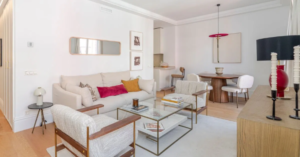
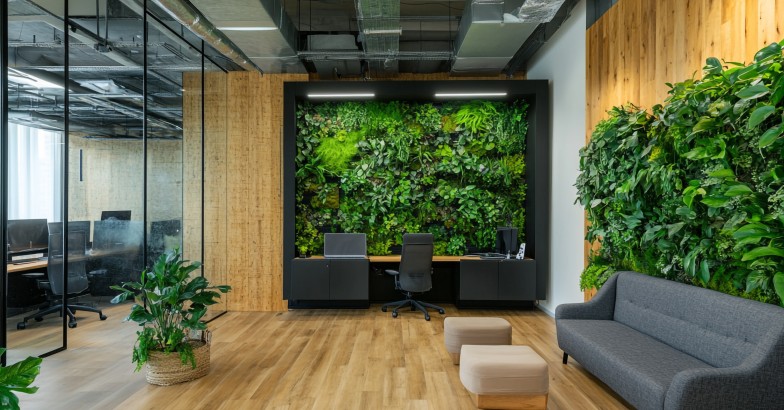
The Madrid region recorded 13 conversion projects in the first half of 2026. Most were within the M-30 ring road and involved former office buildings.
Central Madrid is losing office space. Buildings that once housed businesses, professional offices or government departments are being converted into hotels, luxury homes, holiday apartments and short-term rentals. The trend is gaining momentum, further tightening an already constrained office market.
According to CBRE, the Madrid region recorded 13 projects to convert properties to residential or tourist use in the first half of 2026. Most were within the M-30 and involved office buildings. Madrid accounted for nearly 30% of all conversions identified in Spain during the period.
The trend directly affects companies looking to maintain a presence in central Madrid. They already face high rents and a shortage of suitable space. Now, some buildings are coming off the office market as owners convert them to more profitable uses.
The busiest business districts and most sought-after neighborhoods are feeling the pressure most. Azca, Chamberí and Salamanca combine central locations, a wide range of services and a prestigious address that appeals to companies. Those same qualities also make them attractive to residential developers and hotel operators.
“Property conversions are becoming a long-term response to two major market trends,” said Miriam Goicoechea, Head of Research for Iberia at CBRE. “There is a need to modernize an increasingly outdated building stock, and demand is putting pressure on segments where supply remains insufficient.”
One of the most prominent projects is the conversion of the historic building at 52 Gran Vía, formerly home to Madrid’s commercial courts. The protected building, which spans more than 1,000 square meters, will become a luxury hotel after the city council approved a special planning proposal. Another notable project is the conversion of 22 Calle de Recoletos into high-end homes in one of Madrid’s most exclusive areas.
CBRE found that office buildings accounted for 69% of conversions identified in the Madrid region, compared with 21% nationwide. In addition, 85% of Madrid’s projects were located within the M-30. Older buildings are the main candidates for conversion, provided local planning rules and the buildings’ design allow it.
Nationwide, 52% of the conversions recorded through June were for hotel use and 39% were for residential use. Most projects were intended for upscale hotels, holiday apartments, housing developments, flexible living schemes or student residences.
Investment reflects the scale of the trend. Of the 46 conversions identified across Spain in the first half of the year, 20 were linked to property transactions totaling €390 million. Madrid accounted for €283 million, or 73% of the national total.
For companies, the result is a more competitive office market. Nearly 90% of businesses looking for a new headquarters prioritize locations within the M-30, where office availability is only around 4%. That pressure is already reflected in rents. Prime locations command €46 per square meter per month, with some deals exceeding that figure.
With few alternatives in the center, areas such as Chamartín, Manoteras, Las Tablas, Méndez Álvaro and Campo de las Naciones are attracting more interest, as are nearby municipalities including Alcobendas, Pozuelo and Las Rozas. Many companies are still reluctant to leave central Madrid and are turning to flexible office space to keep an address in one of the capital’s most prominent districts.